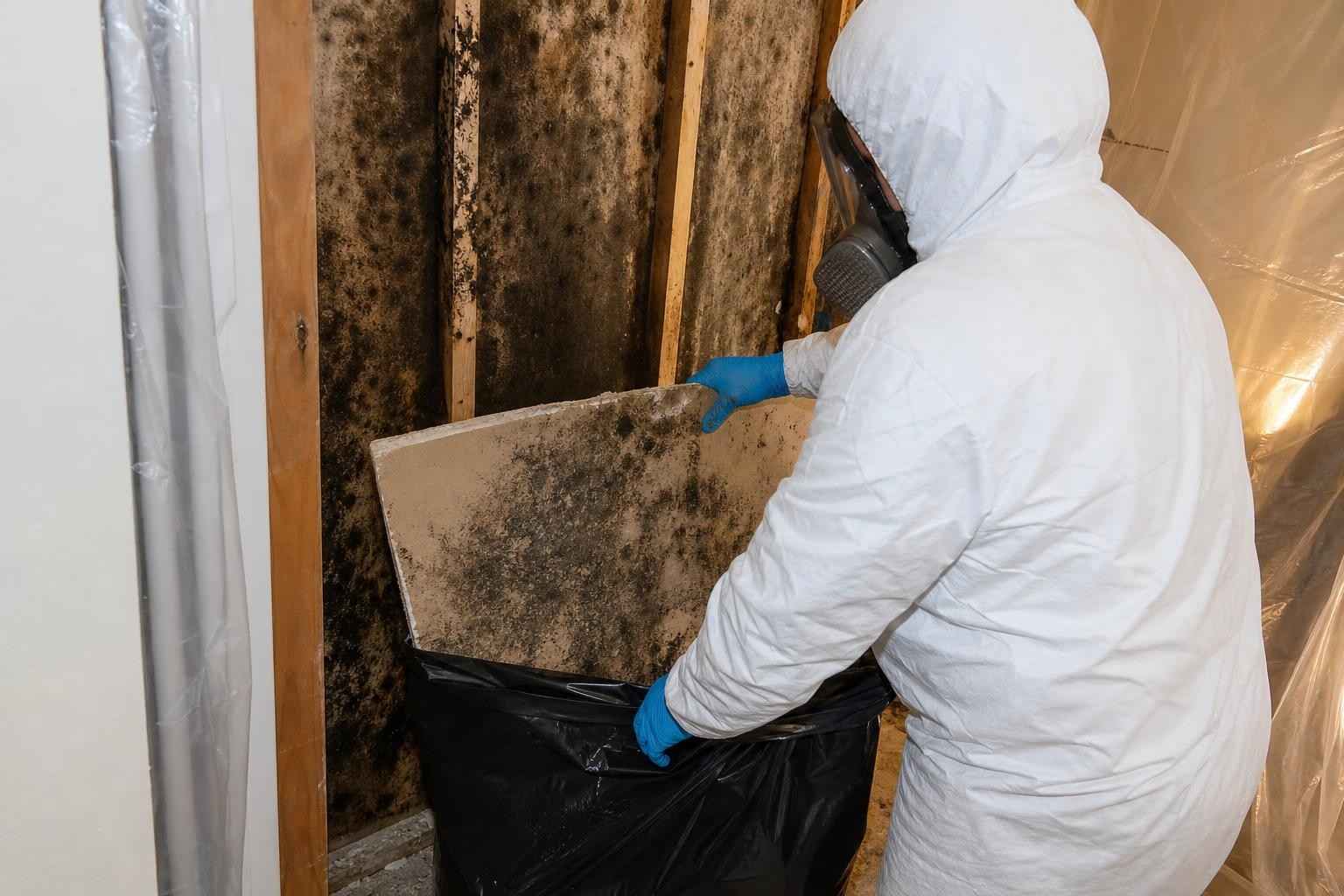
Black mold is worth taking seriously, but it is not the harmful, instant medical emergency the internet suggests. The CDC says molds are not poisonous and the evidence tying black mold to severe illness is inconclusive. It can still trigger allergies and asthma, so fix the moisture and remove it. Over 25 contiguous square feet needs a TDLR-licensed remediator.
The Short Answer: Is Black Mold Actually Dangerous?
Here is the honest version, because you deserve a straight answer instead of a scare story. Black mold is worth taking seriously, but for most healthy people it is not the instant medical emergency the internet makes it out to be. According to the Centers for Disease Control and Prevention, molds themselves are not poisonous, and the science linking so-called toxic black mold to severe or unusual illness is still inconclusive.
That said, "not a death sentence" is very different from "harmless." Any mold growing indoors, black or otherwise, can trigger allergic reactions, asthma flare-ups, and respiratory irritation, especially in children, older adults, and anyone with a weaker immune system. So the right reaction is not panic, and it is not ignoring it either. It is fixing the moisture and getting the mold removed. The rest of this guide walks you through exactly how to think about it.
What Is Black Mold, Exactly?
When people say "black mold," they usually mean Stachybotrys chartarum, a greenish-black mold that grows on damp, cellulose-rich materials like drywall, wood, and ceiling tiles. It earned a frightening reputation in the late 1990s, and that reputation has been stuck to it ever since, often stretched well past what the research actually supports.
The important nuance: black mold is not a single, uniquely toxic super-mold. Plenty of harmless molds are also dark in color, and Stachybotrys is just one of many molds that can grow in a wet home. The CDC's guidance is to treat Stachybotrys the same way you would treat any other indoor mold. Remove it, and fix the water problem that let it grow.
💡 The "Toxic Black Mold" Myth
Stachybotrys can produce compounds called mycotoxins, which is where the "toxic mold" label comes from. But producing mycotoxins in a lab dish is not the same as poisoning the people in a house. The CDC has found the evidence that household black mold causes serious conditions like memory loss or lung bleeding to be inadequate and unproven. Treat it as a mold problem to fix, not a catastrophe.
What Black Mold Looks Like, and Where It Hides
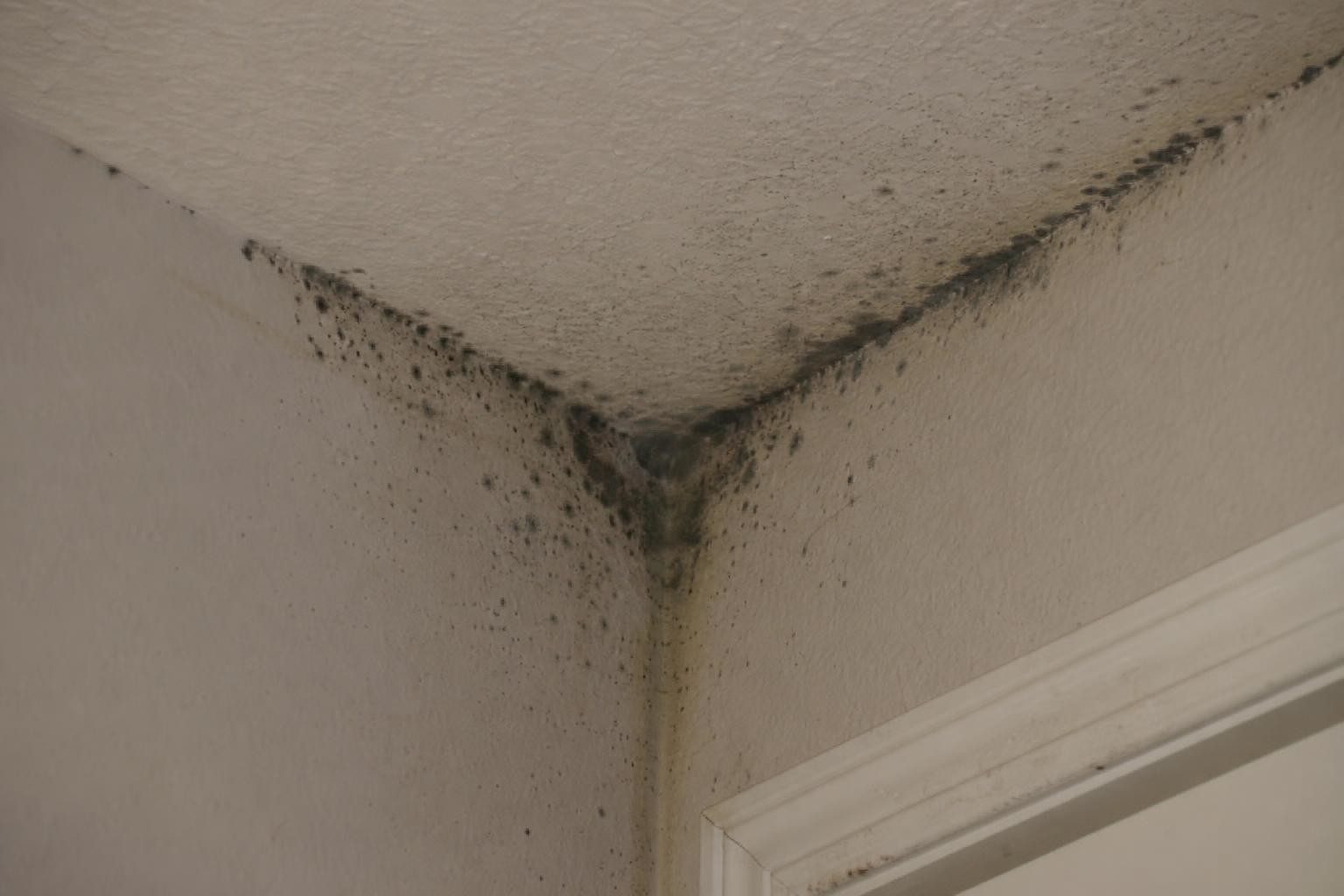
Black mold tends to look greenish-black or dark gray, and it often has a slimy or wet sheen rather than the dry, fuzzy texture of some other molds. The catch is that color alone cannot confirm the species. A lab test is the only way to know for sure, which is also why you should not judge how risky a patch is purely by how dark it looks.
In Dallas homes, it shows up wherever moisture lingers:
- Bathrooms. Along shower grout, on the bathroom ceiling, and around tubs and windows, where steam and poor ventilation keep surfaces damp.
- Drywall and behind walls. After a roof leak, a burst pipe, or a slab leak, mold can grow inside the wall cavity where you never see it until it bleeds through the paint.
- Attics and crawl spaces. Poor ventilation plus Dallas humidity makes these classic mold zones. See the warning signs in our work on attic mold removal and crawl space mold removal.
- Anywhere water has sat. Under sinks, behind appliances, in basements, and in any room that flooded and was not dried out fast enough.
The pattern is simple: black mold follows water. Find the source of the moisture and you have usually found why the mold is there.
Black Mold Exposure Symptoms
For most people, the symptoms of black mold exposure are the same as the symptoms of exposure to any indoor mold, and they are mostly respiratory and allergic. Common signs include:
- A stuffy, runny, or congested nose, and sneezing
- Coughing, wheezing, or a tight chest
- Itchy, watery, or red eyes
- Throat irritation or a scratchy throat
- Skin irritation or a rash
- Headaches or a general feeling of being run down in a damp home
A useful tell: if these symptoms ease up when you leave the house and come back when you return, the home environment may be the trigger. That is worth paying attention to, even if the patch of mold looks small.
⚠️ Who Is at Higher Risk
Some people react more strongly to mold than others. Take it more seriously, and act faster, if anyone in the home is in one of these groups:
- People with asthma, a mold allergy, or another respiratory condition
- Infants and young children
- Older adults
- Anyone with a weakened immune system, including people on chemotherapy or recovering from a transplant
So How Dangerous Is It, Really?
This is the question the scary headlines skip over. The reason "toxic black mold" got its reputation is that Stachybotrys can produce mycotoxins. The reason scientists are cautious about it is that there is no reliable evidence those mycotoxins, at the levels found in a typical home, cause the dramatic illnesses the internet warns about.
What is well established is the ordinary stuff: living with mold can aggravate allergies and asthma and irritate your airways, and the more sensitive you are, the worse that gets. What is not established is mold as the cause of serious, hard-to-explain conditions. Both things are true at once. Black mold is a real reason to act, and it is also not a reason to abandon your house. The sensible takeaway is the same one the CDC and the EPA land on: you do not need to identify the exact species to know what to do. If there is mold growing indoors, remove it and fix the moisture, regardless of color.
When Should You See a Doctor?
Most mild symptoms clear up once the mold is gone and the moisture is under control. You should check in with a healthcare provider if:
- Symptoms are severe, persistent, or getting worse over time
- Someone has trouble breathing, wheezing that will not settle, or an asthma attack
- A person in a higher-risk group develops a fever, a worsening cough, or a lung infection
When in doubt, get it checked. A doctor can treat the symptoms while you deal with the source at home. The two go together.
Why Black Mold Grows in Dallas Homes
Mold needs three things: moisture, something organic to feed on, and time. Dallas hands it the first one for free. Our long, humid summers, sudden hard freezes that crack pipes, and heavy storm seasons all create the damp conditions mold loves, and most homes are full of the drywall and wood it feeds on.
The EPA is blunt about the fix: the key to controlling mold is controlling moisture. Their core guidance is to dry any water-damaged area within 24 to 48 hours, keep indoor humidity below 60 percent, and repair leaks promptly. In practice, the most common triggers we see in Dallas are slab leaks under the foundation, AC condensate overflows during the summer, roof leaks after a storm, and rooms that flooded and never fully dried. Mold is almost always the second problem. Water is the first.
✅ Prevention Beats Remediation
Run bathroom and kitchen exhaust fans, fix drips and leaks quickly, keep gutters clear, and use a dehumidifier in damp rooms. And if your home takes on water, dry it fast. The faster water comes out, the less chance mold ever gets started. That is the whole game.
What to Do If You Find Black Mold
How you handle it depends on how much there is. The EPA's rule of thumb is a practical place to start:
For a small patch (under about 10 square feet)
A healthy homeowner can usually handle a small area, roughly a three foot by three foot patch or less, on a hard surface. Scrub it with detergent and water, dry the area completely, and wear gloves and a mask while you do it. Porous materials that soaked it up, like ceiling tile or carpet, often have to be thrown out, because the mold grows into the material and cannot be fully cleaned off.
For larger growth, or after water damage
If the mold covers more than about 10 square feet, keeps coming back, is inside walls or your HVAC system, or followed a significant water event, bring in professionals. This is also where Texas law matters. Under the Texas mold rules, remediation of more than 25 contiguous square feet must be done by a licensed mold remediation contractor, and the person who assesses the mold and the person who remediates it have to be different licensed parties.
That is exactly where we fit. Our Dallas crews handle the water damage that feeds the mold, structural drying, and the moisture source, then connect you with licensed remediation partners for the mold itself. Start with our black mold removal and mold remediation pages, or just call and we will walk you through it.
Mold remediation services are performed by or in partnership with a TDLR-licensed Mold Remediation Contractor. We do not perform mold testing, inspection, or assessment.