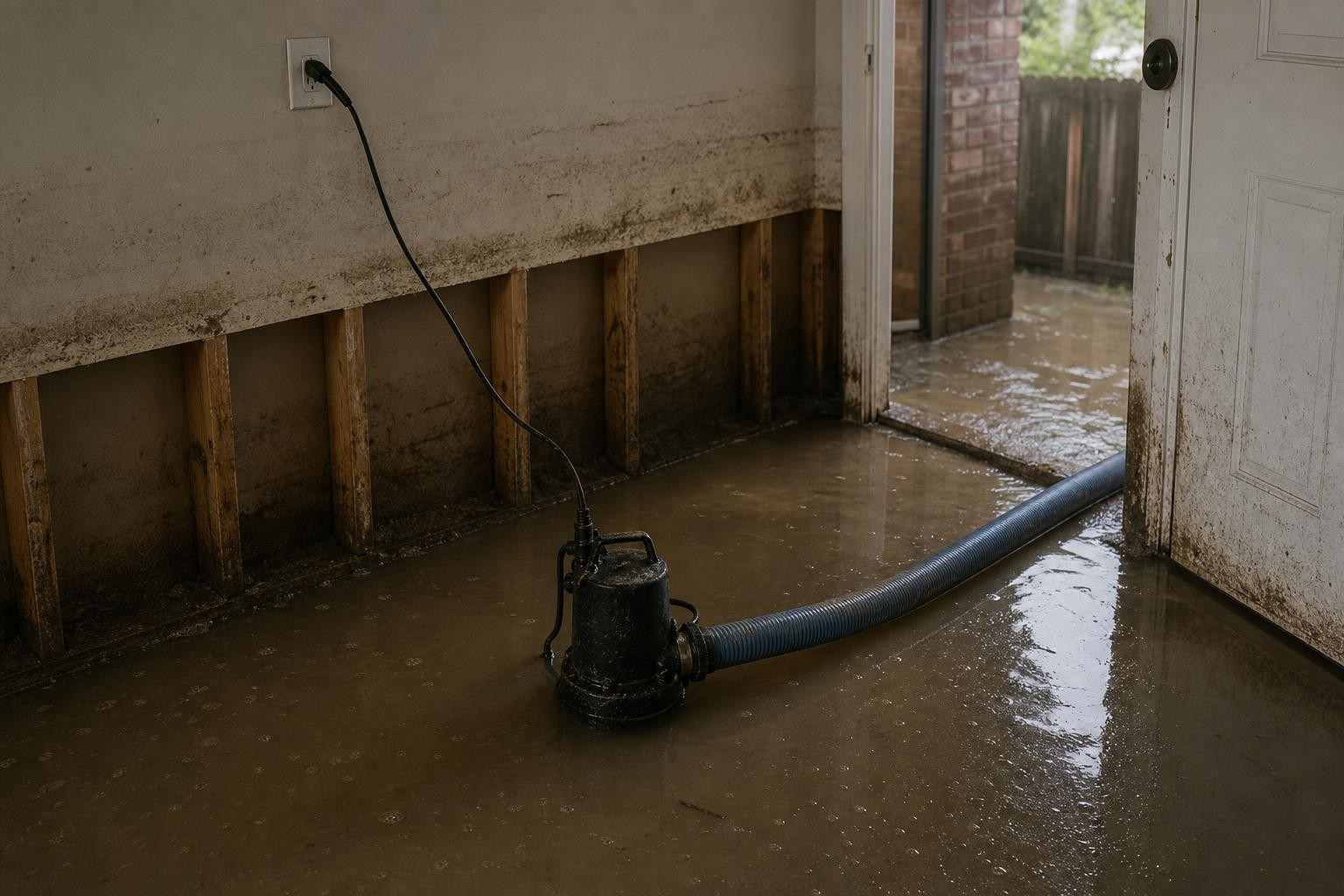
A standard homeowners policy excludes sewer and drain backup by default, the same way it excludes outside flooding. You are only covered if you added a water backup or sewer backup endorsement, which carries its own separate sub-limit, before the backup happened. Without that rider, backup damage and the required Category 3 cleanup are paid out of pocket. Either way, who to call first is a licensed cleanup crew, since raw sewage is a Category 3 biohazard.
The Short Answer
Usually not, at least not on its own. A standard homeowners insurance policy excludes sewer and drain backup by default. If wastewater pushes back up through your drains and floods a room, the base policy most people carry will not pay for it unless a specific add-on was attached to it. That add-on is a "water backup" or "sewer backup" endorsement, and it is a separate thing you have to ask for.
So the honest answer to "does insurance cover a sewer backup" is: only if you added the endorsement before it happened. Without it, a backup is typically an out-of-pocket loss, which is exactly why this one catches so many homeowners off guard.
Why Standard Policies Exclude Sewer Backup
It feels unfair the first time you hear it, but there is a logic to it. Insurers treat water that comes up from the sewer or drain system differently from water that comes down from a burst pipe. A pipe that suddenly ruptures inside your wall is the classic sudden and accidental loss a policy is built to cover. A backup, on the other hand, involves the municipal system, shared lines, tree roots, and slow-building blockages, so it lives in the same excluded bucket as flooding from outside the home.
The result is that two very common water disasters, external flooding and sewer backups, are both carved out of the standard policy. Neither is covered unless you specifically added it. We walk through the full picture of what a homeowners policy does and does not cover in our guide on whether homeowners insurance covers water damage.
⚠️ Assume You Are Not Covered Until You Confirm It
If you have never added a backup endorsement, treat yourself as uncovered for sewer backup, because you almost certainly are. This is not a coverage you get automatically, and most people never find out they lack it until wastewater is already on the floor. Call your agent and ask the plain question: is water or sewer backup on my policy, yes or no.
The Endorsement You Actually Need
The fix is a rider most insurers offer called a water backup or sewer backup endorsement. It is added to your existing homeowners policy for a modest annual cost, and it is one of the better value add-ons out there given how expensive and disgusting a backup cleanup can be.
Two things are worth understanding about how it works. First, it carries its own separate sub-limit, which is a dollar cap specific to backup losses rather than your full dwelling coverage amount. Second, that sub-limit is something you often get to choose, so you can size it to how much finished, valuable space sits low in your home. If your lowest level is full of finished flooring, drywall, and belongings, a bigger sub-limit makes sense.
💡 It Is Cheaper Than the Cleanup
A backup endorsement typically costs a small amount per year, while a single backup event can ruin flooring, drywall, and everything it touches, plus require professional sewage extraction and disinfection. For most Dallas homeowners the math is simple: the rider is a rounding error next to the loss it protects against.
What the Endorsement Covers
When you have the endorsement in place, it is generally designed to help with the damage a backup causes inside your home, up to the sub-limit you selected. In practice that means things like:
- Damaged flooring and drywall that the backup water soaked and that has to be removed and replaced.
- Ruined personal property, such as furniture, stored items, and belongings the wastewater reached.
- The professional cleanup itself, including extraction of the contaminated water, disinfection, and drying of the affected area.
What it will not do is stretch beyond its sub-limit, and it does not replace flood insurance. A backup endorsement handles water that comes up through your drains. Water that rises from outside, from a swollen creek or storm runoff, is a separate policy entirely, which we cover in our guide on what flood insurance covers. Check both boxes if your home is exposed to both.
Why a Backup Is a Real Health Hazard
This is the part people underestimate. Backup water is not clean water that happens to smell bad. It is contaminated Category 3 water, the industry term for grossly unsanitary "black water" that can carry bacteria, viruses, and other pathogens. Treating it like a spilled bucket and mopping it up yourself is a genuine health risk, not just an unpleasant chore.
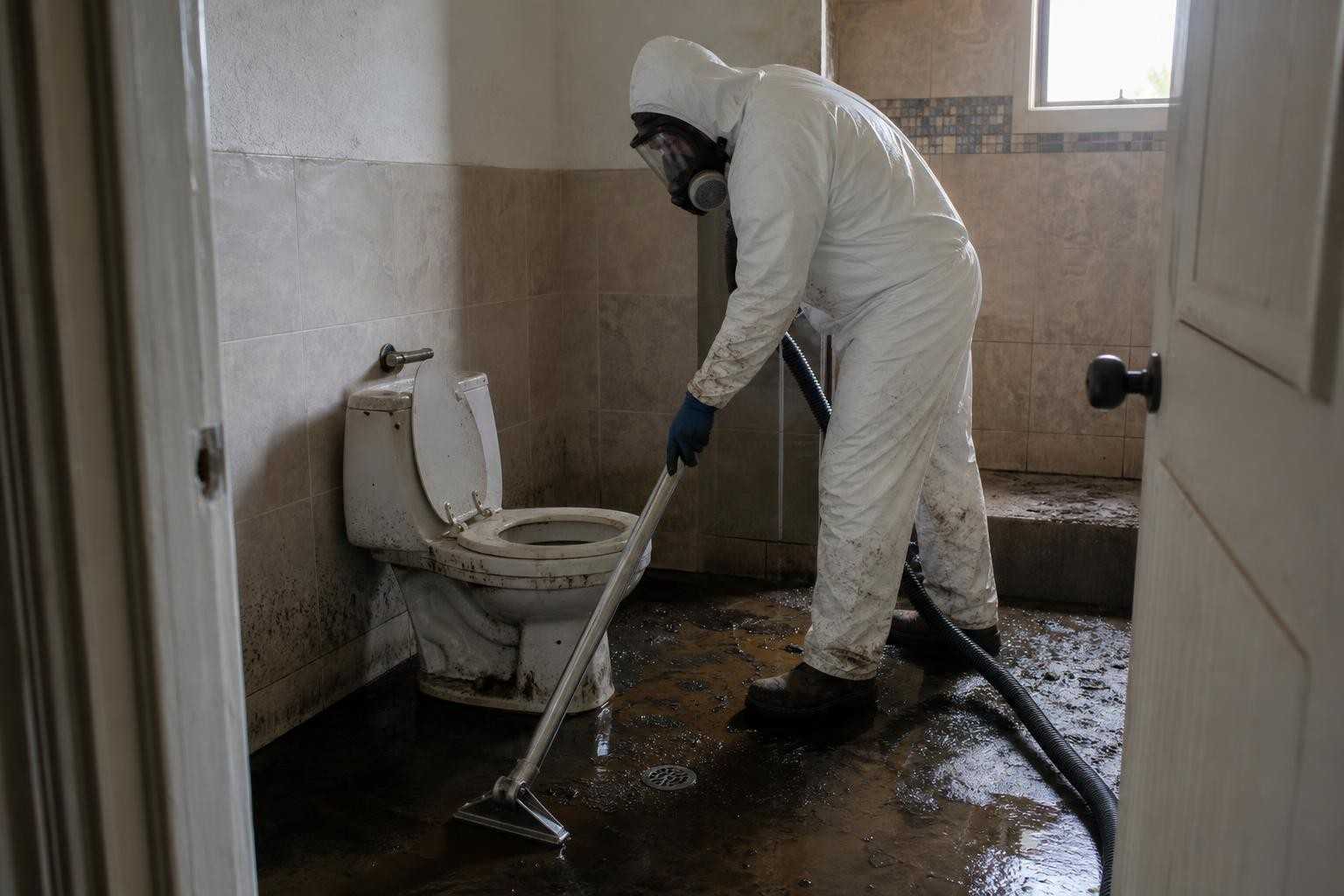
Because of that contamination, a backup is not a mop-and-bucket job. The water has to be extracted, every affected surface has to be disinfected, and porous materials that soaked it up, like carpet, drywall, and padding, usually have to be removed and discarded because they cannot be safely cleaned. That is exactly what our sewage cleanup service is built for, backed by proper water extraction to pull the contaminated water out fast.
✅ Do Not Clean Up Sewage Yourself
For a contaminated backup, skip the DIY. Keep children and pets away from the area, avoid contact with the water, and if the backup is near electrical outlets or wiring, cut the power to that area before anyone goes near it. Then call a professional crew that can extract, disinfect, and safely remove what the water ruined. Your health is worth more than a cleanup bill.
What Causes Sewer Backups
Backups rarely come out of nowhere. A handful of causes are behind most of them:
- Clogs in your line. Grease, wipes, and buildup slowly choke the drain line until wastewater has nowhere to go but back into the house.
- Tree-root intrusion. Roots seek out moisture and work their way into sewer lines through tiny cracks and joints, then grow until they block the pipe.
- Municipal main backups. When the city's main line clogs or overflows, the backup can travel back up into connected homes, and there is nothing you did to cause it.
- Heavy rain overwhelming the system. A hard North Texas storm can dump more water into the sewer system than it can carry, and the overflow finds its way back up through home drains.
The through line is that a lot of these are outside your direct control, which is another reason the endorsement matters. You cannot always prevent a backup, but you can make sure you are not paying for it alone.
How to Add Coverage and Document a Loss
Whether you are getting ahead of the risk or dealing with a backup right now, the order of operations is straightforward.
1. Add the endorsement before you need it
Call your insurance agent and ask to add a water or sewer backup endorsement to your policy, and pick a sub-limit that fits how much finished space and property sit low in your home. This only helps if it is on the policy before the backup happens, so do not put it off.
2. If a backup already happened, stay out of the water
Do not wade into contaminated water or start pulling out soaked materials with bare hands. Cut power to the area if it is safe to reach the panel, keep everyone clear, and call a professional cleanup crew to handle the extraction and disinfection.
3. Document the loss before cleanup
Photograph and video everything the water touched before anything gets thrown out or cleaned, because that record is what supports your claim. Note what happened and when, and keep receipts for anything you spend. If you have the endorsement, report the claim to your insurer promptly and get your claim number.
4. Get professional extraction started
The faster the contaminated water comes out and the area is disinfected, the less damage spreads and the lower the health risk. Our emergency water removal team responds around the clock, extracts the backup safely, and documents the moisture readings that back up your claim.