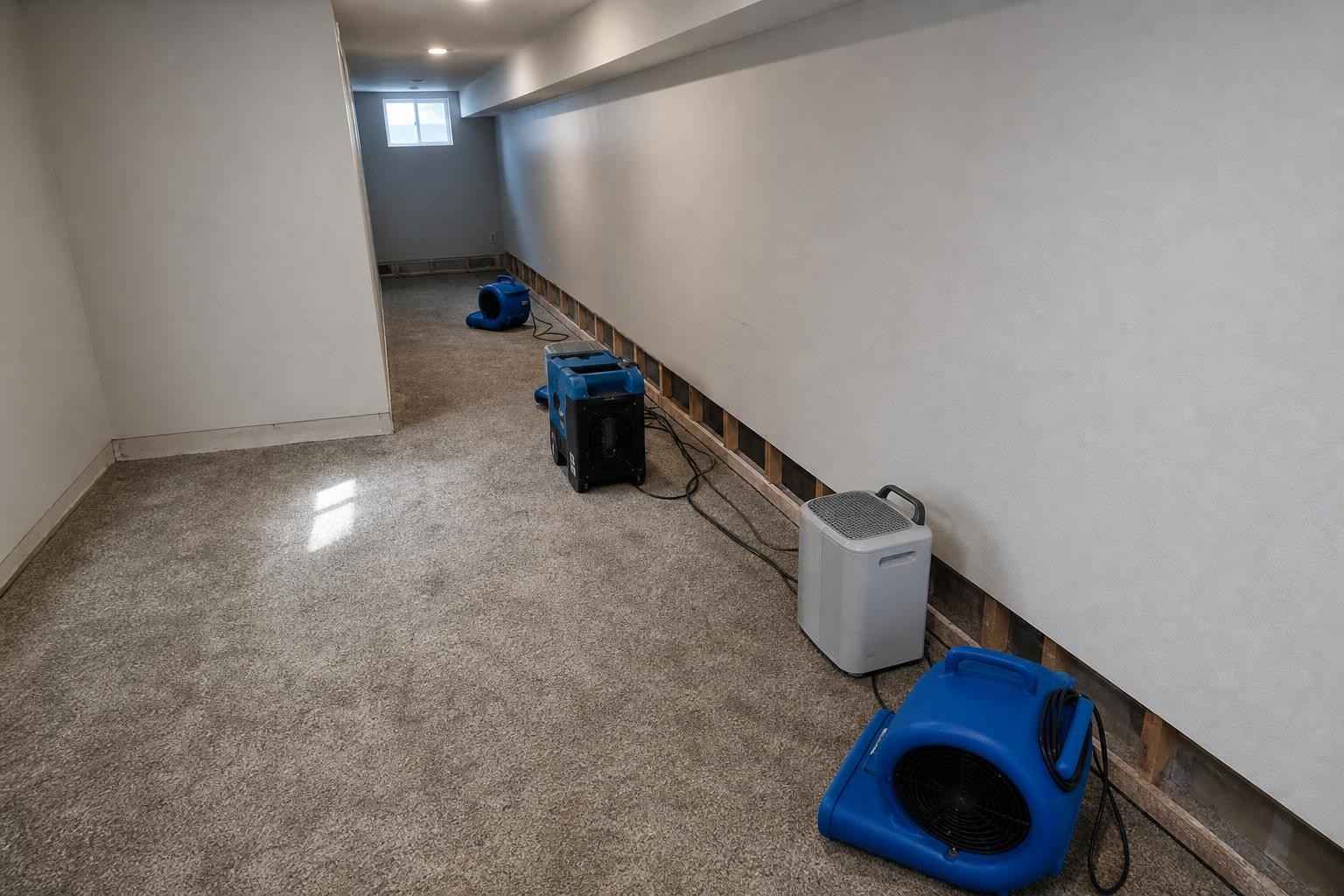
Flood insurance is a separate policy from homeowners insurance that covers outside flooding through two coverages bought separately: building coverage for the structure and its systems, and contents coverage for your belongings. Through the National Flood Insurance Program, a home can carry up to $250,000 building and $100,000 contents, with a 30-day waiting period.
Flood Insurance Is a Separate Policy
Here is the fact that surprises people every time: flood insurance is completely separate from your homeowners policy. A standard homeowners policy specifically excludes flooding from outside the home, so no matter how good your coverage is, it will not pay for water that rises from a creek, a flash flood, or storm runoff overwhelming your street. For that, you need a dedicated flood policy.
Most flood policies come through the National Flood Insurance Program, a federal program run through the government, though a growing number of private insurers now write flood coverage too. Private policies work much like the federal ones but can offer higher limits and sometimes broader terms. Either way, it is a standalone purchase, and if you do not specifically buy it, you do not have it.
What "Flooding" Actually Means
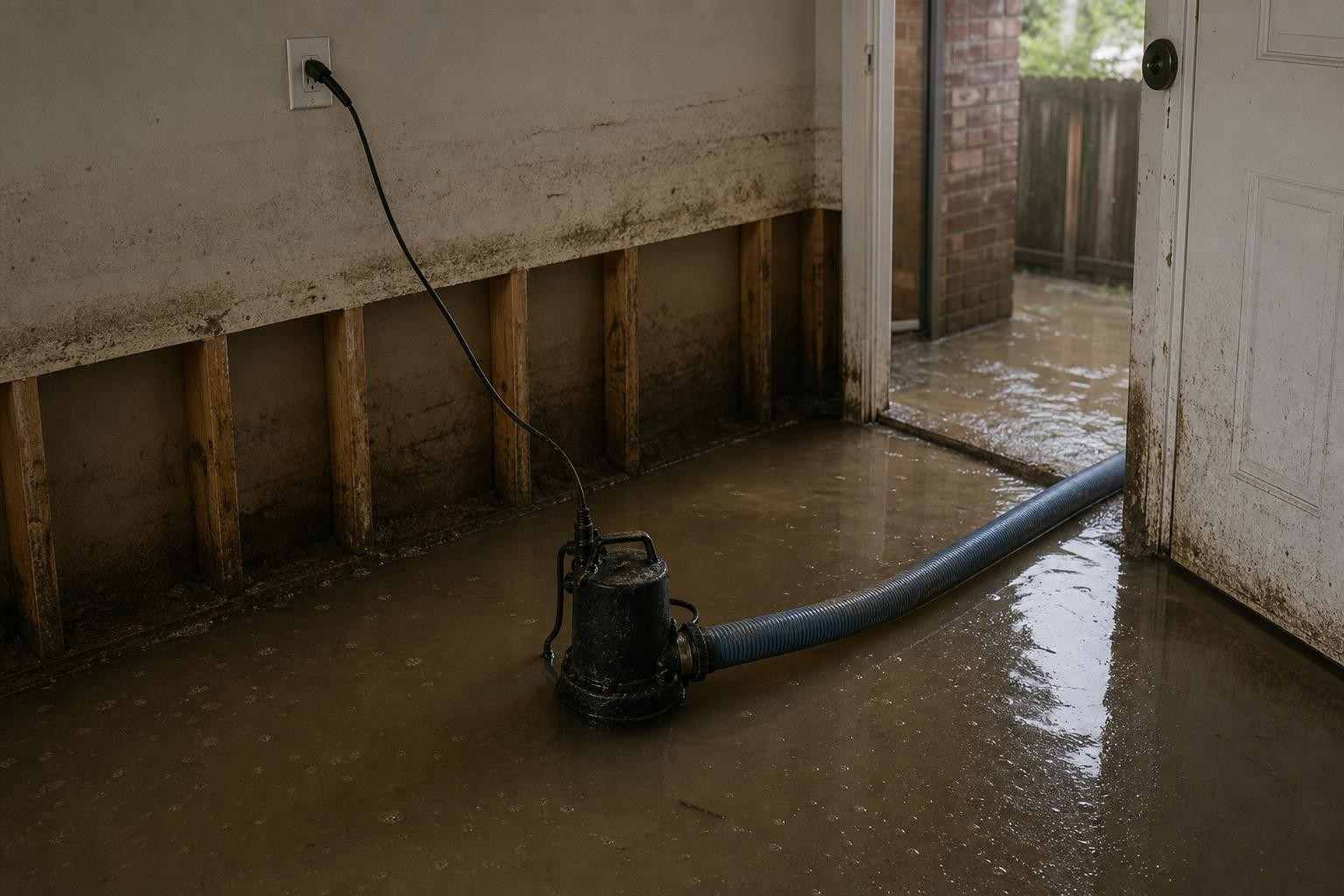
Flood insurance has a precise definition of "flood," and it matters, because it decides whether a claim is even a flood claim. In general, flooding means a general and temporary condition of partial or complete inundation, usually where two or more acres of normally dry land or two or more properties are affected. Think rising water that comes from outside and spreads across the area, not a problem contained to your own home.
That distinction is where a lot of confusion lives. If a pipe bursts inside your wall or an appliance fails and soaks the floor, that is an internal water loss, and it is a homeowners matter, not a flood claim. Flood insurance is built for water that enters from outside during a genuine flooding event. When the source is inside your home, our water extraction and emergency water removal crews handle the cleanup either way, but the coverage lives on a different policy.
💡 Two Policies, Two Jobs
Your homeowners policy handles sudden internal water losses like a burst pipe. Your flood policy handles outside water rising into the home during a flooding event. They do not overlap, and neither one fills the other's gap. If you only have homeowners insurance, external flooding is simply not covered.
Building vs Contents Coverage
This is the split that trips up the most homeowners, so it is worth slowing down on. A flood policy is really two coverages, and you buy them separately:
- Building coverage protects the structure itself, along with the systems and built-ins that come with it: the foundation, walls, electrical and plumbing systems, the furnace and water heater, central air, permanently installed cabinets and paneling, and built-in appliances.
- Contents coverage protects your belongings: furniture, clothing, electronics, portable appliances, and other personal property inside the home.
The catch is that many people only carry one. If your mortgage lender required flood insurance, they usually only required building coverage, because that is what protects their collateral. Your furniture, your clothes, and everything else you own may not be covered at all unless you separately bought contents coverage. Plenty of Dallas homeowners find this out the hard way, after a flood, when they file and learn their belongings were never on the policy.
⚠️ Check for Both Before the Next Storm
If a lender arranged your flood policy, assume it may cover the building only. Belongings are a separate line of coverage that many owners never added. Call your agent and confirm you carry both building and contents coverage, because after the water rises is the worst time to discover the gap.
How Much Coverage You Can Get
Through the National Flood Insurance Program, residential coverage is capped. A single-family home can carry up to $250,000 in building coverage and up to $100,000 in contents coverage. For many homes that is plenty, but for higher-value properties, those limits can fall short of a full rebuild plus everything inside.
That is where private flood insurance comes in. Private insurers are not bound by the federal caps, so they can write policies well above $250,000 in building coverage and offer more generous contents limits. If your home or its contents are worth more than the federal program will pay, a private policy or excess flood coverage is worth pricing out so you are not left with a large uncovered gap after a major loss.
What Flood Insurance Does Not Cover
Even a solid flood policy has real gaps, and knowing them ahead of time saves an ugly surprise:
- Temporary housing and living expenses. Unlike a homeowners policy, the federal flood program does not pay Additional Living Expenses. If a flood forces you out, your hotel and meals are generally on you.
- Most finishes and contents below the lowest floor. In a basement or below the lowest elevated floor, coverage is limited mostly to building systems. Finished walls, flooring, and personal belongings in that space are usually not covered.
- Cars. A flooded vehicle is a claim for the comprehensive portion of your auto insurance, not your flood policy.
- Currency, precious metals, and valuable papers. Cash and similar valuables are excluded.
- Preventable mold. Mold and mildew that you could have avoided by acting reasonably are typically excluded.
That last one is a reminder that speed still matters after a flood. Drying a wet home quickly, in line with EPA guidance to dry water-damaged areas within 24 to 48 hours, keeps a covered flood loss from turning into an uncovered mold problem. Our flood damage restoration teams focus on getting the structure dry fast for exactly that reason.
The 30-Day Waiting Period
Flood insurance is not something you can buy the day a storm is forecast. New policies through the National Flood Insurance Program come with a standard 30-day waiting period before coverage takes effect. Buy it today, and you are generally not protected for roughly a month.
That is the single biggest reason not to wait. Homeowners who scramble to get flood coverage as a hurricane or a big rain event approaches usually find they are too late for that specific storm. The time to buy is during calm weather, well before the sky turns, so the policy is fully active when you actually need it.
✅ Buy It Before You Think You Need It
Because of the 30-day waiting period, flood insurance only helps if you already own it when the water comes. If you are near a creek, in a low spot, or anywhere water pools in heavy rain, price a policy out now rather than the week a storm is on the radar.
Why Dallas Homeowners Should Consider It
The biggest myth about flood insurance is that you only need it inside a mapped flood zone. In reality, flood maps are drawn from historical data and never fully keep up with development, drainage changes, and the fast, intense storms North Texas is known for. A large share of flood claims come from properties that were never classified as high risk. Being outside a mapped zone lowers your odds, not your risk to zero.
Dallas homes make this worse in a specific way. They are almost all slab-on-grade with no basements, so a flood does not fill a basement out of sight. It comes in as first-floor water, water entering at ground level, and roof leaks during heavy storms, hitting the living space directly. Because homeowners insurance flatly excludes external flooding, a flood policy is often the only thing standing between a bad storm and a five-figure bill. If you want to understand where flood coverage fits against your other policies, our guide on whether homeowners insurance covers water damage lays out the full picture, and if water is already in your home, start with what to do when your home floods.