Renters insurance, also called tenant insurance, usually covers sudden, accidental water damage to your personal belongings, such as a burst pipe, a failed water heater, or an overflow from the unit above you, up to your policy limit minus the deductible. It does not cover the building, which is the landlord's responsibility, and it never covers outside flooding, which needs separate flood coverage.
Renters Insurance and Water Damage: What Is and Is Not Typically Covered
Renters insurance protects your personal belongings, not the building itself, so the coverage picture looks different from a homeowners policy and the line between tenant and landlord responsibility matters a lot.
| Typically Covered | Typically Not Covered |
|---|---|
| Personal belongings damaged by a sudden internal water event (burst pipe, appliance overflow) inside the unit | Damage to the building structure, walls, floors, or fixtures (that is the landlord's responsibility under the building policy) |
| Clothing, electronics, and furniture ruined by an accidental discharge from the building's plumbing | Flooding from outdoor sources such as storm surge, overflowing rivers, or stormwater runoff (requires a separate flood policy) |
| Temporary relocation costs (additional living expenses) if the unit becomes uninhabitable after a covered water event | Property damage caused by the tenant's own prolonged neglect or failure to report a known leak to the landlord |
| Water damage to your belongings caused by a neighbor's unit (for example, a leak from the apartment above) | Sewer or drain backup damage unless the renter added a backup rider to the policy |
| Personal liability if the renter accidentally causes water damage to another unit or to the building | High-value items (jewelry, cameras, musical instruments) above standard sublimits without a scheduled endorsement |
The Short Answer
Yes, a standard renters insurance policy, technically called an HO-4, usually covers water damage to your personal belongings when the damage is sudden and accidental. If a pipe bursts, the upstairs neighbor's tub overflows into your unit, or a water heater fails and soaks your furniture, your policy is built to help replace what got ruined. What it does not cover is the building itself, the walls, the floors, the structure, because that is your landlord's responsibility, not yours.
That single split, your stuff versus the building, is the thing renters get wrong most often. You insure what you own and brought with you. The landlord insures the four walls you rent. Understanding which side of that line your loss falls on tells you almost everything about who writes the check.
What Renters Insurance Actually Covers
A renters policy usually does three jobs, and water damage can touch all three:
- Personal property. This is the core of the policy. Your furniture, electronics, clothes, and anything else you own that gets damaged by sudden water is covered, up to your policy limit and minus your deductible.
- Personal liability. If water damage is your fault, say you left a tub running and it flooded the unit below you, your liability coverage can help pay for the damage you caused to someone else's property.
- Loss of use. If the water makes your apartment unlivable, this covers extra costs like a hotel and meals while you are displaced. More on that below.
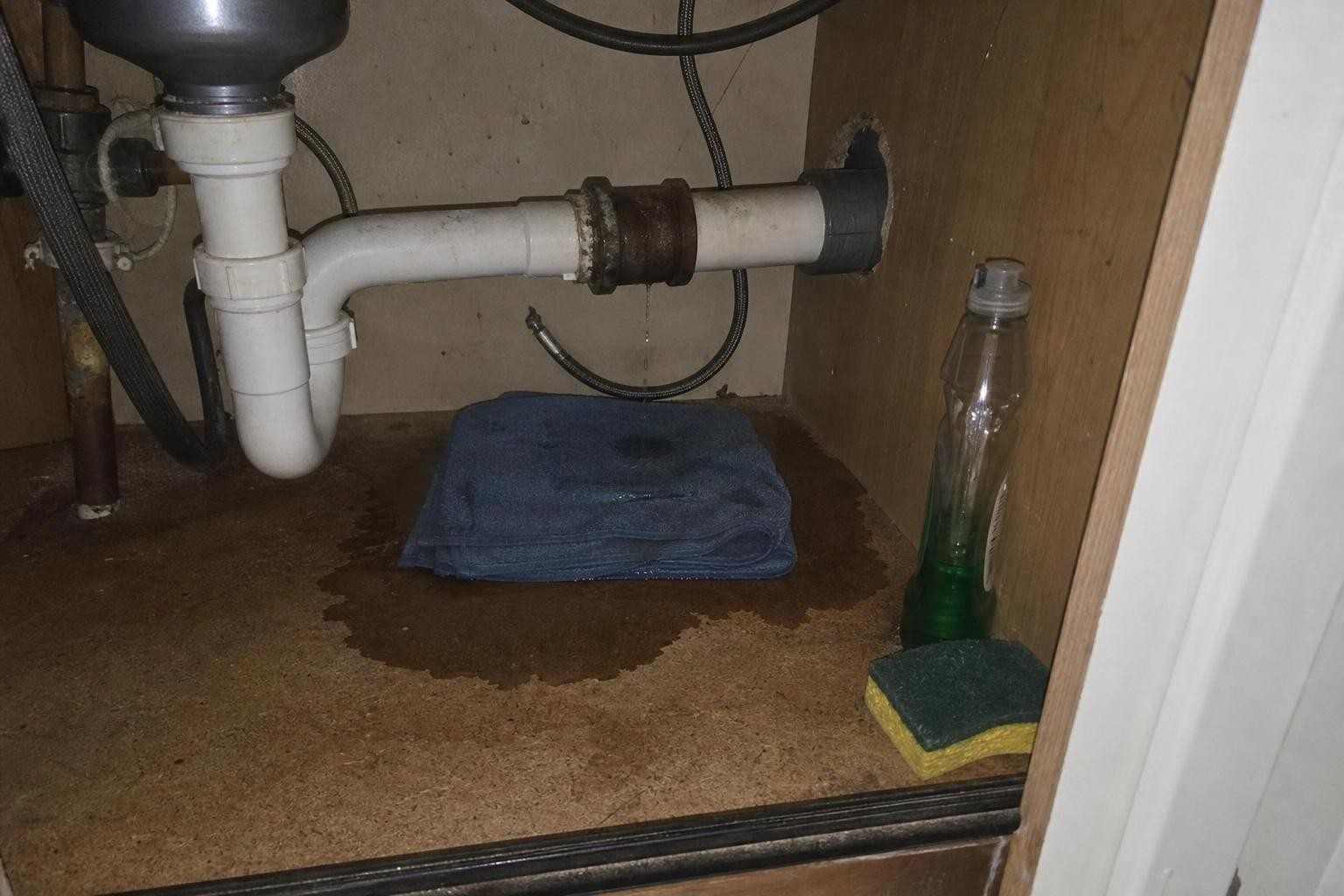
The water still has to be sudden and accidental for belongings coverage to apply. A pipe that ruptures overnight is covered. A slow leak under the sink that you knew about for months and never reported is the kind of thing an insurer can push back on as neglect.
💡 The One Rule That Decides Most Claims
Renters insurance follows the same sudden-and-accidental test as homeowners insurance. Fast, unexpected damage to your belongings is covered. Damage that built up slowly from a problem you ignored usually is not. Reporting a leak the moment you notice it protects both your apartment and your claim.
Your Belongings vs the Building: Who Pays for What
This is where renters get tripped up, so it is worth being blunt about it. There are two separate insurance policies in play, and they do not overlap:
- Your renters policy covers your belongings, your liability, and your loss of use. It does not cover the building.
- The landlord's policy covers the building, the structure, and the fixtures. It does not cover a single thing you own. Your soaked mattress and ruined laptop are not on your landlord's policy, ever.
So when water damages both, the repair to the drywall and flooring goes through your landlord, and the replacement of your damaged furniture goes through you. Two claims, two policies, two different parties. A lot of renters assume the landlord's insurance will cover their belongings and find out the hard way that it never does. That gap is the single biggest reason renters insurance exists.
What If My Landlord Caused the Leak?
Here is an important distinction: who is responsible for fixing the leak and the building is a separate question from who pays to replace your belongings. If a leak came from something the landlord is responsible for, an aging pipe in the wall, a roof they failed to maintain, they are generally on the hook for repairing the structure and stopping the source.
For your damaged belongings, you usually have two paths. You can file with your own renters insurance, which is often the fastest way to get made whole, and your insurer may then go after the landlord's insurer to recover what it paid, a process called subrogation. Or, if the landlord's negligence clearly caused the loss, you may be able to recover directly from them. Either way, document everything, report the leak to your landlord in writing, and do not assume a verbal "I'll take care of it" counts. When the water is already down and needs to come out, our water extraction crews handle the cleanup no matter whose claim ultimately pays for it.
⚠️ Report the Leak in Writing
A text or email to your landlord creates a timestamp that proves you reported the problem promptly. That record matters twice: it supports your insurance claim as a sudden loss, and it holds the landlord accountable if their delay made the damage worse. Never rely on a phone call alone.
Flooding Is Not Covered
This catches renters off guard the same way it catches homeowners. Renters insurance does not cover flooding, meaning water that rises from outside the building, a swollen creek, a flash flood, or storm runoff that pushes in at ground level. That is excluded from every standard renters policy. To protect your belongings against flooding, you would need a separate flood policy through the National Flood Insurance Program or a private flood insurer.
North Texas gets fast, heavy storms, and ground-floor apartments are especially exposed when the street cannot drain quickly enough. If you are on a lower floor near a creek or a low spot, a flood policy for your contents is worth pricing out before the next big storm. When flooding does hit a unit, our flood damage restoration team responds fast, and you can read exactly how flood coverage works in our guide on what flood insurance covers. For how the same rules apply to owners, see our breakdown of whether homeowners insurance covers water damage.
Loss of Use: When Your Place Is Unlivable
One of the most valuable and least understood parts of a renters policy is loss of use, sometimes called Additional Living Expenses. If a covered water loss makes your apartment genuinely unlivable, for example the unit has to be gutted and dried out, this coverage helps pay the extra costs of living somewhere else, like a hotel, short-term rental, and the added cost of eating out.
It covers the difference between your normal cost of living and the higher cost of being displaced, up to your policy limit. Keep every receipt while you are out of the unit. If a burst pipe or overflow forces you out while the place dries, this is the coverage that keeps the disruption from costing you out of pocket. Getting the water out and the structure dried quickly, which our emergency water removal team can start around the clock, is also what shortens how long you are displaced in the first place.
✅ Save Every Receipt While Displaced
Loss of use reimburses the extra cost of being out of your home, not your entire hotel bill from dollar one. Keep receipts for lodging, meals, laundry, and anything else beyond your normal spending. Detailed records are what turn this coverage from a headache into a real check.
What to Do the Moment Water Hits
Acting fast protects your belongings, your safety, and your claim, all at once. In order:
1. Stay safe and stop the source
Cut the power to any wet area before you step in it, and shut off the water at the source if you can reach it. If the source is in the wall or the unit above you, get your landlord or the emergency maintenance line on it immediately.
2. Document before you touch anything
Photograph and video every damaged item and the water itself while it is still there. This is the record your renters insurance claim runs on, and it also proves the loss was sudden rather than something that sat for weeks.
3. Report it, in writing, to landlord and insurer
Notify your landlord in writing so there is a timestamp, and open your renters insurance claim promptly to get a claim number. Move belongings out of the water and start soaking up what you can, since your policy expects you to take reasonable steps to limit the damage.
4. Get the water out fast
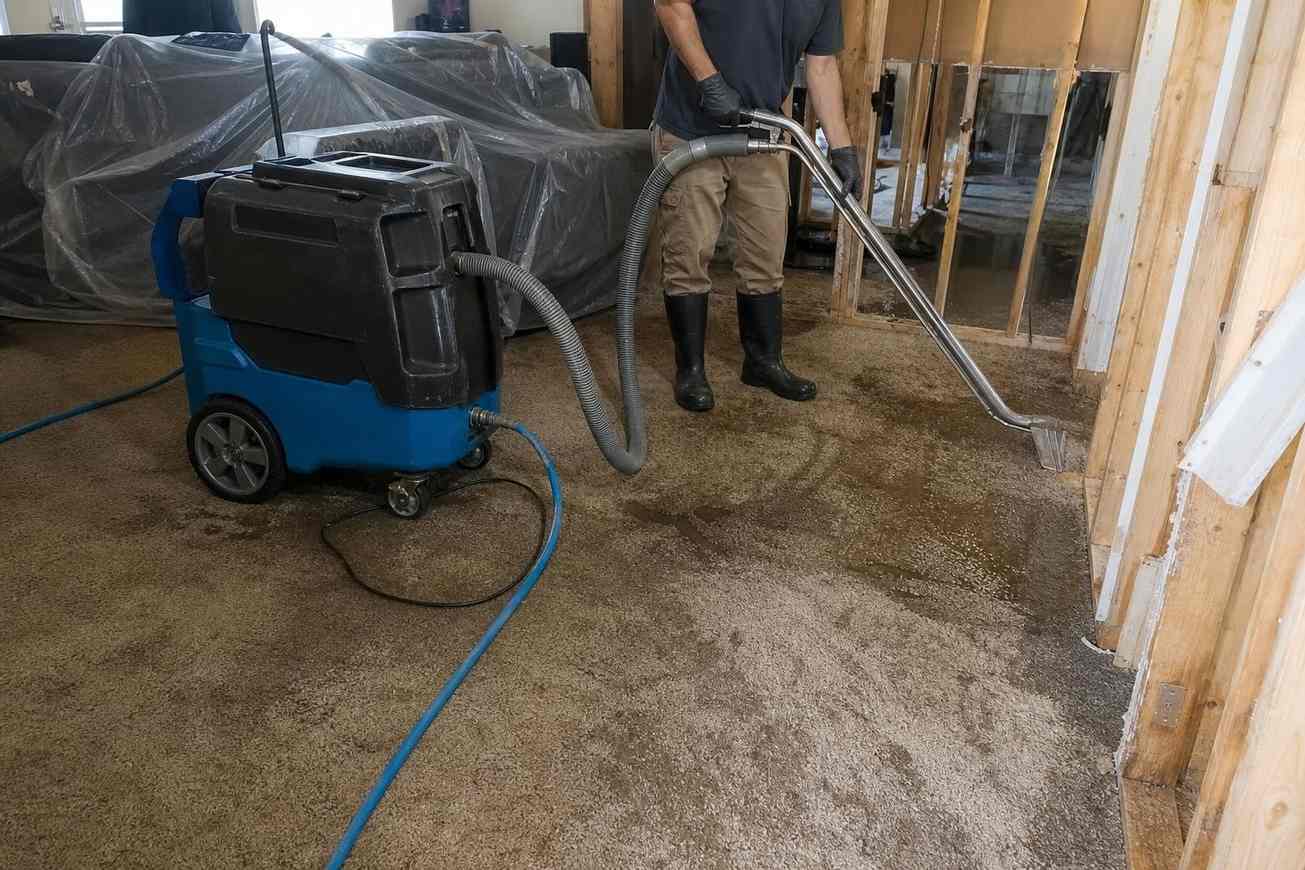
Standing water keeps ruining your belongings and feeds mold within a day or two, so per EPA guidance you want wet areas dried within 24 to 48 hours. A restoration company can extract the water and dry the structure properly and document the moisture readings your claim may need.