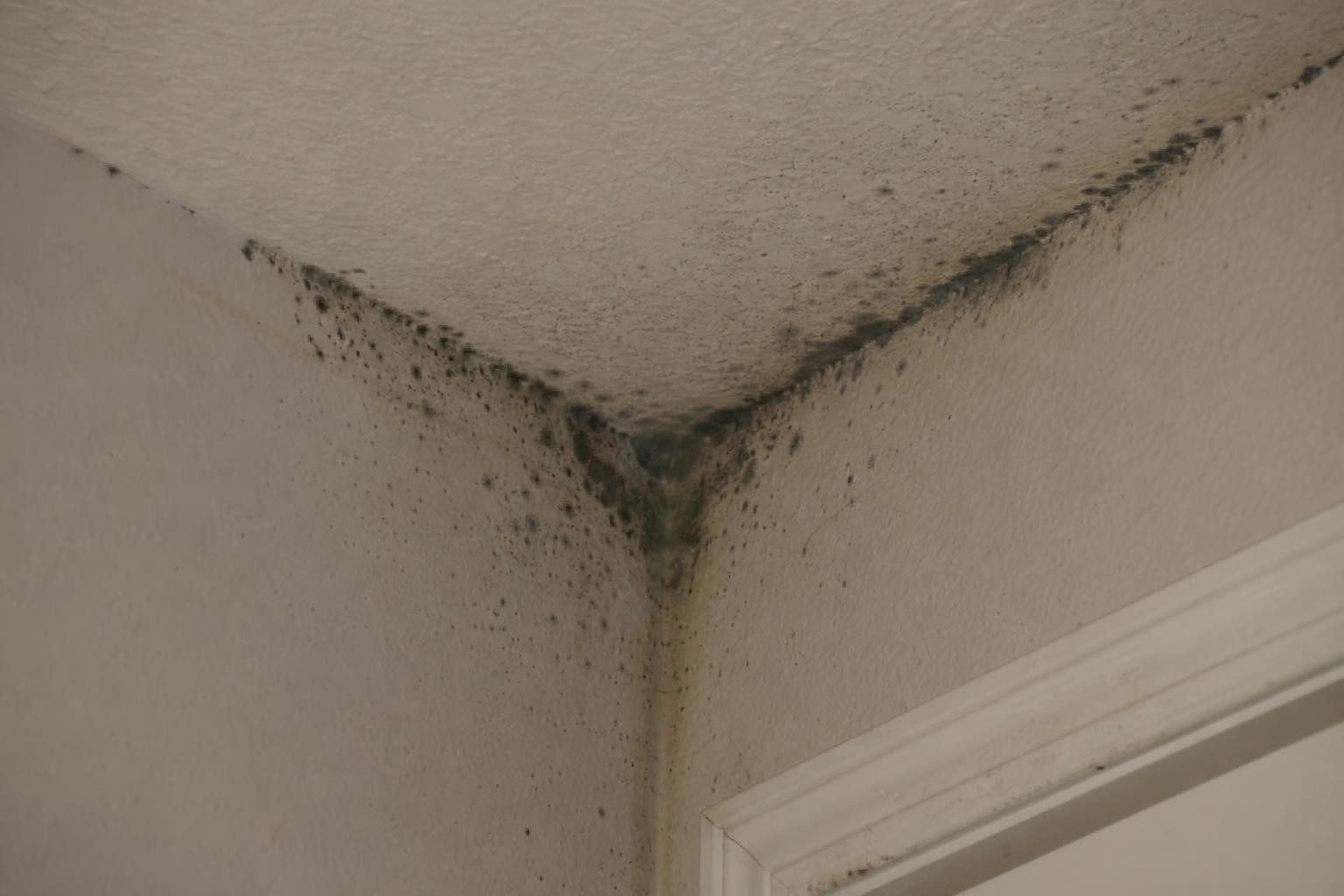
The signs of attic mold are a musty, earthy smell drifting downstairs, dark staining on the roof sheathing and rafters, frost or moisture on the roofing nail tips in winter, damp matted insulation, and fuzzy patches on the wood. Two or more together usually means moisture is feeding mold. Growth over 25 contiguous square feet needs a TDLR-licensed remediator.
The Signs of Mold in Your Attic
The signs of mold in your attic are usually there long before anyone notices, because almost nobody climbs up to look. Mold needs moisture and something organic to feed on, and an attic hands it both: humid, still air trapped under the roof, and acres of bare wood sheathing and rafters to grow on. The trick is knowing what to look for, so you catch it while it is a cleanup job and not a rebuild.
Most attic mold shows up as some combination of a few clear tells. Run down this list the next time you are up there or have someone check for you:
- A musty, earthy smell in the attic, or drifting down into the upstairs rooms.
- Dark staining or discoloration on the underside of the roof sheathing and along the rafters, often black, gray, or greenish.
- Frost or moisture on the tips of the roofing nails in winter, a sign that warm, damp air is condensing up there.
- Damp, matted, or discolored insulation that has lost its fluff and feels heavy.
- Fuzzy or slimy patches on the wood, insulation, or the boxes you store up there.
- Worse allergy symptoms upstairs than in the rest of the house, or symptoms that ease when you leave home.
Any one of these is worth a closer look. Two or more together, and you almost certainly have a moisture problem feeding mold. The sections below break down what each sign is telling you.
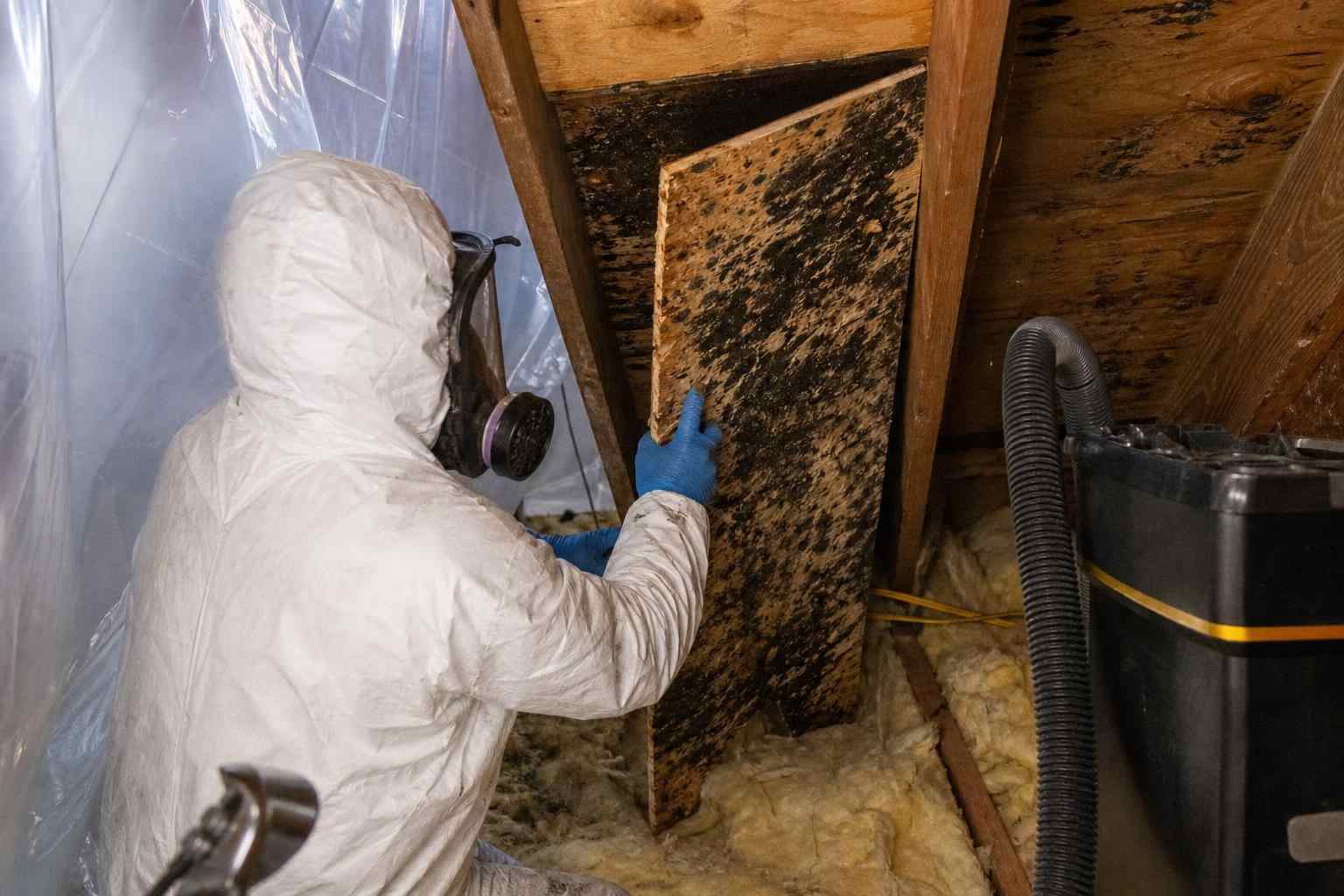
A Musty Smell You Cannot Place
Smell is often the very first sign, because it reaches you before you ever see the growth. Attic mold gives off a stale, damp, earthy odor, the same smell you get from an old basement or a forgotten gym bag. In an attic that has been sealed up in the Dallas heat, that smell concentrates, then leaks down through the ceiling, light fixtures, and the attic hatch into the rooms below.
If the upstairs of your home smells faintly musty and you cannot find the source, the attic is the first place to check. A smell that comes and goes with the weather, stronger after rain or on humid days, is an even bigger clue that moisture is the driver.
Dark Staining on the Sheathing and Rafters
This is the visual confirmation. Grab a flashlight and look at the underside of the roof deck, the plywood or OSB sheathing, and the wooden rafters that hold it up. Healthy attic wood is a consistent light tan. Mold shows up as dark blotches and streaks, usually black, gray, or greenish, and it tends to cluster along the roofline, in corners, and near the eaves where air moves the least.
Do not confuse every dark mark with mold. Old water stains and normal wood aging can look similar. The tells for mold are a fuzzy or speckled texture, a pattern that follows the damp spots, and that musty smell traveling with it. If wiping a small test spot smears it around rather than lifting it cleanly, you are almost certainly looking at active growth, not a stain.
💡 Where to Look First
Attic mold almost always starts where the air is stillest and the moisture is highest: the north-facing slope of the roof, the corners, and the eaves near the soffit vents. Check directly under any roof penetration too, like the bathroom exhaust, plumbing stack, or chimney, since those are common leak and condensation points.
Frost or Moisture on the Nail Tips
In winter this one is easy to spot and easy to misread. The tips of the roofing nails poke through the sheathing into the attic. When warm, moist air from the house rises into a cold attic, it condenses on the coldest surfaces first, and those metal nail tips are exactly that. You will see frost on them in a freeze, or beads of water and rust streaks as it thaws.
That condensation drips onto the wood and insulation below, keeping everything damp, and damp wood is all mold needs. If you see frosted or dripping nails, you have a ventilation and moisture problem that will feed mold whether or not you can see growth yet. It is a warning sign to act on before the staining shows up.
Damp Insulation and Fuzzy Patches
Healthy attic insulation is light, dry, and fluffy. When it is soaking up moisture, it flattens, mats down, darkens, and feels heavy. Wet insulation loses most of its ability to insulate, so a suddenly hotter upstairs or a climbing energy bill can be an indirect clue that something is damp up there.
The most obvious sign is the mold itself: fuzzy, powdery, or slimy patches growing on the wood, on the paper backing of the insulation, or on stored boxes and belongings. Textures range from a dry, powdery dusting to a wet, slick film. Whatever the texture, visible growth means the moisture has been present long enough for mold to take hold, and it is time to find the source.
What Causes Attic Mold in Dallas
Attic mold is never really about the mold. It is about water and air, and in a Dallas attic there are a handful of usual suspects:
- Roof leaks. A cracked shingle, failed flashing, or storm damage lets rain seep onto the sheathing. Even a slow, occasional drip keeps the wood damp enough to grow mold.
- Poor attic ventilation. An attic needs air moving in low at the soffits and out high at the ridge. When that airflow stalls, hot humid air sits still and condenses on cool surfaces.
- Blocked soffit vents. Insulation stuffed into the eaves or painted-over vents chokes off the intake air, so the whole system stops breathing.
- Bathroom and dryer vents dumping into the attic. A very common culprit. When an exhaust fan or dryer vents into the attic instead of outside, it pumps warm, wet air straight into the space every single day.
- Dallas humidity. Long, muggy North Texas summers load the outside air with moisture, and a poorly vented attic traps it. Add a sudden winter freeze that drives indoor condensation, and the attic swings between damp extremes all year.
Notice the pattern: every cause is a moisture source or an airflow failure. Fix those and the mold has nothing to live on. Leave them, and it comes right back after any cleanup.
⚠️ Check the Bathroom Fan First
Before you blame the roof, follow your bathroom exhaust and dryer ducts. If either one ends inside the attic, or the duct has come loose from its roof cap, it is soaking the space in humid air day after day. This is one of the most common and most overlooked causes of attic mold, and rerouting the vent outside is often the single biggest fix.
What to Do About It
The order matters here. Removing the mold without fixing what caused it just buys you a few months before it returns.
1. Fix the moisture source and the ventilation
Track down why the attic is wet. Repair the roof leak, reroute any bathroom or dryer vent that dumps into the attic, clear blocked soffit vents, and make sure air can move from the eaves to the ridge. Until the space can stay dry on its own, any cleanup is temporary.
2. Handle small growth carefully, and know your limit
Under EPA guidance, a healthy person can clean a small patch of mold, under about 10 square feet on a hard surface, with detergent and water while wearing a mask and gloves. Porous materials that soaked it up, like matted insulation, usually have to be removed rather than cleaned. But an attic is a hot, awkward, poorly ventilated space, so be honest about what is safe to take on yourself.
3. Bring in a pro for anything significant
Widespread staining across the sheathing, mold that keeps returning, or growth tied to a real water event is not a DIY job. This is also where Texas law comes in. Our Dallas team handles the water damage and drying that feed attic mold, then connects you with licensed remediation partners. Start with our attic mold removal and mold remediation pages, or read our practical guide on what to do about black mold.
Mold remediation services are performed by or in partnership with a TDLR-licensed Mold Remediation Contractor. We do not perform mold testing, inspection, or assessment.
✅ The Texas 25-Square-Foot Rule
Under the Texas mold rules (TMARR), remediation of more than 25 contiguous square feet must be done by a TDLR-licensed Mold Remediation Contractor, and the party that assesses the mold and the party that remediates it must be different licensed parties. You may remediate your own owner-occupied home yourself, but attic growth often spreads well past that limit, which makes it a job for a licensed pro, not a weekend project.
Is Attic Mold Dangerous?
Not in the panic-inducing way the internet often suggests. According to the CDC, molds themselves are not poisonous, and the evidence tying so-called toxic black mold to severe illness is inconclusive. What is well established is the ordinary stuff: any indoor mold can trigger allergy symptoms, asthma flare-ups, and airway irritation, and that hits kids, older adults, and anyone with a weaker immune system harder. Because attic air can drift down into the rooms below, mold up there is not sealed off from the people in the house.
So the right reaction is neither panic nor ignoring it. Treat attic mold like the moisture problem it is: find the water, fix the airflow, and remove the growth. For a fuller look at the health side, see our guide on whether black mold is dangerous. If the growth is heavy or the mold looks like it may be spreading through the structure, our black mold removal team can help you sort out the next step.