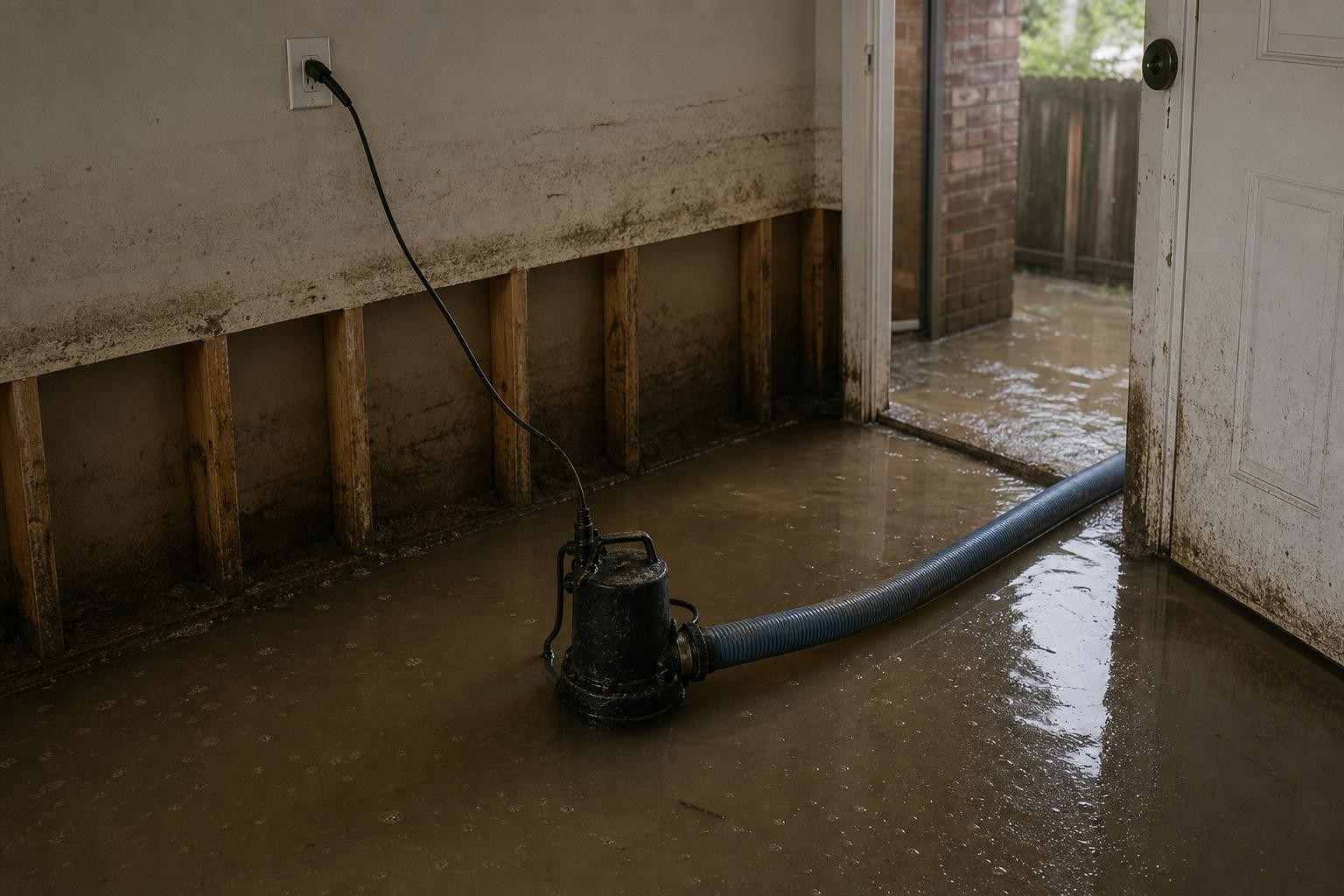
Texas homeowners insurance generally covers sudden, accidental water damage, like a freeze burst or slab leak, but not gradual leaks or flooding. Your coverage depends on your policy form, since the broader HO-B pays more than the basic HO-A. Texas law also puts insurers on a claim clock: acknowledge in about 15 business days, decide within 15, and pay within 5.
The Short Answer for Texas
A Texas homeowners policy generally pays for water damage when the cause is sudden and accidental, and denies it when the cause was slow, avoidable, or came from outside as a flood. That headline rule is the same one insurers use nationwide, and we cover the mechanics of it in our general guide to whether homeowners insurance covers water damage. What that guide does not get into is everything Texas layers on top.
Four things make a Texas claim its own animal. Your state has promulgated policy forms that decide how generous your water coverage is before you file anything. A state law puts your insurer on a countdown once you report the loss. Mold sits under rules written after a Texas insurance crisis two decades ago. And our slab foundations and freeze-prone plumbing create claims that adjusters in milder states rarely see. Sort those out and you will know where a Dallas water claim really stands.
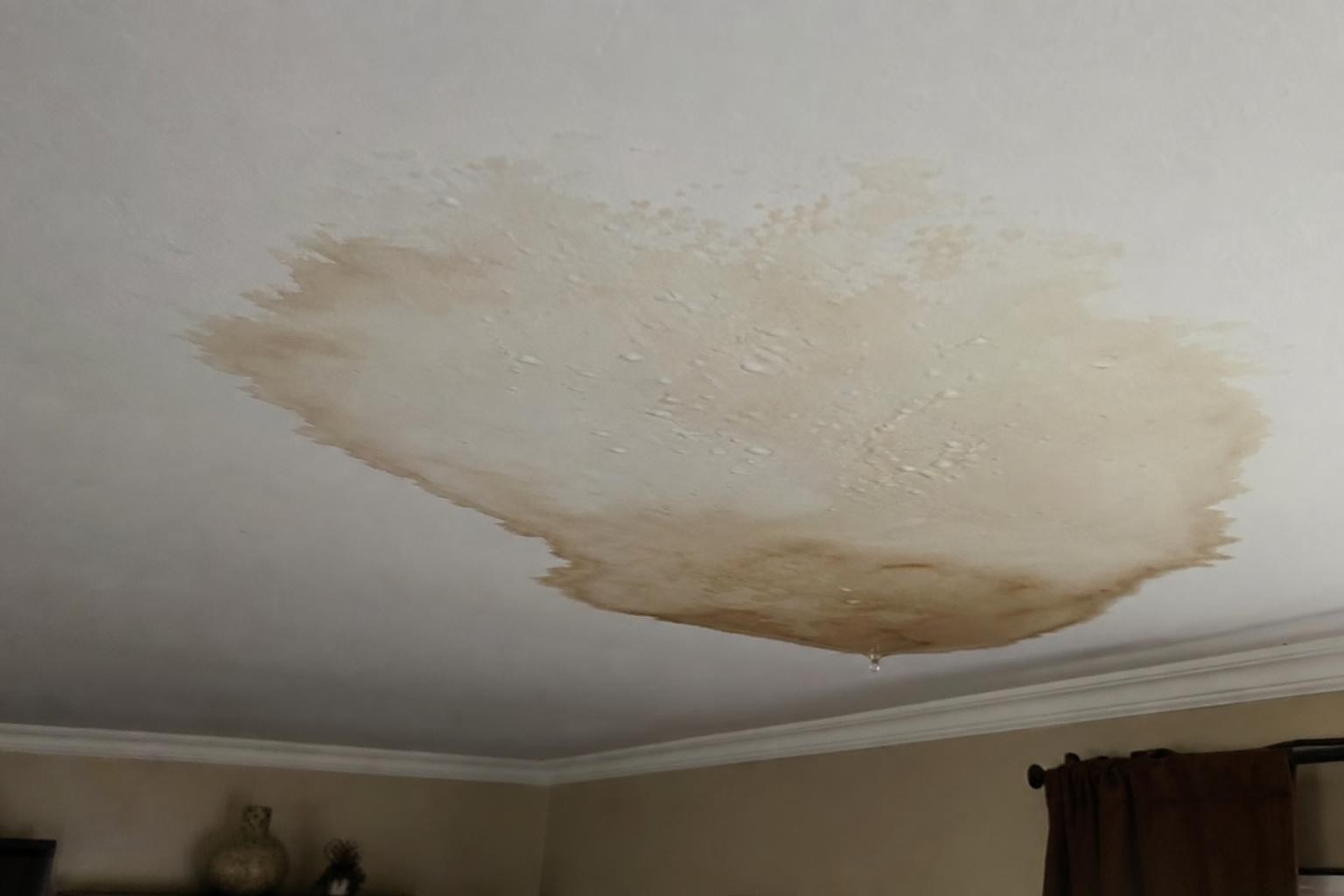
Your Texas Claim Clock: What the Law Makes Insurers Do
Most homeowners never learn this until they are stuck waiting on a check, so learn it now: Texas law puts your insurer on a deadline. The rules live in the Texas Insurance Code, and the Texas Department of Insurance (TDI) is the state agency that enforces them. Once you file, the clock is running on the company, not just on you.
The core deadlines work like this:
- About 15 business days to acknowledge your claim. After you report the loss, the insurer has to confirm it received the claim, open a file, and begin its investigation.
- 15 business days to accept or reject, counted from the day it receives every document it asked you for. The company can extend that window if it explains, in writing, why it needs more time.
- 5 business days to pay once it has notified you the claim is accepted.
Miss those deadlines without a valid reason and the insurer can owe you a penalty plus interest on top of the claim, which is exactly why prompt, well-documented claims tend to get paid faster. After a widespread disaster, TDI can extend these deadlines, which is what happened during the Winter Storm Uri freeze when thousands of claims landed at once.
💡 Write Down the Date You Filed
The deadlines above only help you if you can prove when the clock started. Note the day you reported the claim, keep your claim number, and save every email and letter. If a decision or payment runs late with no written explanation, that timeline is your leverage.
HO-A vs HO-B: Which Texas Policy Do You Have?
Here is the piece almost no one checks until after a loss. Texas has long used its own standardized homeowners forms, and the letter on yours changes how much water damage you are actually carrying. Pull your declarations page and look for the form name.
- HO-B is the broader Texas form, and historically it gave Texans some of the most generous water damage and ensuing mold coverage in the country. If you have an HO-B, your plumbing and appliance water losses are usually well covered.
- HO-A is the stripped-down, named-peril form. On its own it covers far less, and homeowners often have to add an endorsement (the additional extended coverage rider) just to get accidental water discharge from plumbing and appliances included at all.
Two catches apply to both. First, neither form covers water that has been seeping or leaking continuously for roughly two weeks or more, which is the policy's way of drawing the sudden-versus-gradual line in plain numbers. Second, since Texas opened the market to national policy forms, plenty of carriers now sell their own versions, so the exact wording varies. The TDI home insurance guide is a solid place to compare what a given form does and does not include before your next renewal.
⚠️ Check This Before You Need It
If you are on an HO-A or a bare-bones national equivalent, you may have thinner water coverage than you assume, especially for foundation and slab-related losses. The time to add a water damage or foundation endorsement is at renewal, not the morning after a pipe lets go.
Freeze Bursts and the Winter Storm Uri Lesson
Good news first: when a pipe freezes and then splits, Texas policies generally treat it as sudden and accidental, so the water damage is usually covered. That matters here because our houses were built for heat, not cold. Pipes run through unconditioned attics and exterior walls with barely any insulation, so a single sharp freeze can burst them by the thousands across the metro, which is exactly what February 2021 delivered.
The timing trips people up. A pipe often cracks while the water in it is frozen solid, then stays quiet until the thaw, so the real flood can arrive a day or two after the temperature climbs back up. If that hits your home, our emergency water removal team runs around the clock, and our full walkthrough on frozen pipes in Texas covers prevention and first response.
✅ A Covered Freeze Still Has Strings
An adjuster can challenge a freeze claim if it looks like you left the house cold and walked away. Keeping the heat on, dripping the faucets, opening cabinet doors, and knowing where your main shutoff is are not just prevention. They are the facts that keep a freeze claim on the covered side of the line.
Slab Leaks Under a Texas Foundation
Most North Texas homes sit directly on a concrete slab, which creates a claim adjusters in other regions rarely deal with: the slab leak, where a supply or drain line under the foundation gives way. When a slab line breaks suddenly, the resulting water damage is often treated like any other sudden plumbing loss and may be covered. The fight is usually over what the policy pays for, not whether water damage happened.
In practice, a Texas policy will commonly help with the cost of getting to the leak (the access and tear-out) and drying the home, but not with replacing the failed pipe or correcting any foundation movement, which insurers file under maintenance or earth movement. So read your policy's access and tear-out language closely, and expect the wet cleanup and the foundation repair to be handled, and paid, as two separate jobs. Our water extraction crews take the standing water and structural drying while your plumber and foundation specialist deal with the pipe and the slab itself.
Why Texas Mold Coverage Has Its Own Rulebook
Mold is where Texas policies drift furthest from the national norm, and the reason is history. A wave of enormous mold claims in the early 2000s rattled the Texas market, and in the reforms that followed, insurers were allowed to cap or carve out mold on standard homeowners policies. So today most Texas policies sub-limit mold tightly, or exclude it, unless the mold grew straight out of a covered water loss that you dried out promptly.
The same reform left you a way in, though. Many carriers now sell a mold buy-back, an endorsement or a higher mold sub-limit for extra premium, and in a humid, storm-prone metro like Dallas that add-on is usually worth pricing. What no endorsement will rescue is mold that grew from a leak you sat on or from chronic humidity, since that stays classed as gradual damage. Drying a wet home fast is what keeps mold, and your claim, from going sideways: the EPA advises drying water-damaged materials within 24 to 48 hours. If mold has already shown up, start with our mold remediation page.
Mold remediation services are performed by or in partnership with a TDLR-licensed Mold Remediation Contractor. We do not perform mold testing, inspection, or assessment.
Flooding Sits Outside Every Texas Policy
No Texas homeowners policy covers flooding, and that gap catches North Texans more than any other. If water rises from outside and comes in at ground level, whether from an overwhelmed creek, a flash flood, or street runoff in a hard downpour, your homeowners policy will not respond. Flood is its own coverage, bought through the National Flood Insurance Program or a private flood carrier. We break down what that policy actually pays for in our guide on what flood insurance covers.
Two Texas specifics are worth burning into memory. Because our homes are slab-on-grade with no basements, a flood here shows up as first-floor water, not the basement flooding people picture from other states. And a brand-new flood policy usually carries a 30-day waiting period, so it does nothing for a storm already in the forecast. If you sit near a creek or in a low spot, price flood coverage on a calm week. When flooding does hit, our flood damage restoration crews handle the cleanup no matter how the coverage question lands. A sewer or drain backup is a separate exclusion with its own fix, which we cover in our guide on whether insurance covers a sewer backup.
When the Insurer Delays or Underpays: Appraisal and TDI
Say the loss is clearly covered but the offer comes back too low, or the file goes quiet past the deadlines above. Texas gives you two levers before anyone talks about a lawyer.
The first is the appraisal clause, which sits in almost every Texas homeowners policy. When you and the insurer agree the loss is covered but disagree on the dollar amount, either side can invoke appraisal: each picks an independent appraiser, the two select an umpire, and that panel sets the amount of loss. It settles the number without a courtroom, and for a disputed water claim it is often the fastest route to a fair figure.
The second is TDI itself. If you believe the company broke the claim-handling deadlines or treated you unfairly, you can file a complaint with the Texas Department of Insurance, which reviews it against the same prompt-payment rules laid out above. Keep your timeline, your photos, and every written communication, because a documented claim is what gives both appraisal and a TDI complaint their teeth. On the restoration side, our water extraction and drying crews log the moisture readings and photos that make the scope of your loss hard to argue with.
✅ Document Before You Dry, Then Dry Anyway
Your policy expects you to prevent further damage, so you do not have to wait for an adjuster to start cleanup. Photograph and video everything while it is still wet, then get extraction going. That evidence is what feeds a prompt-payment argument, an appraisal, or a TDI complaint if it comes to that.